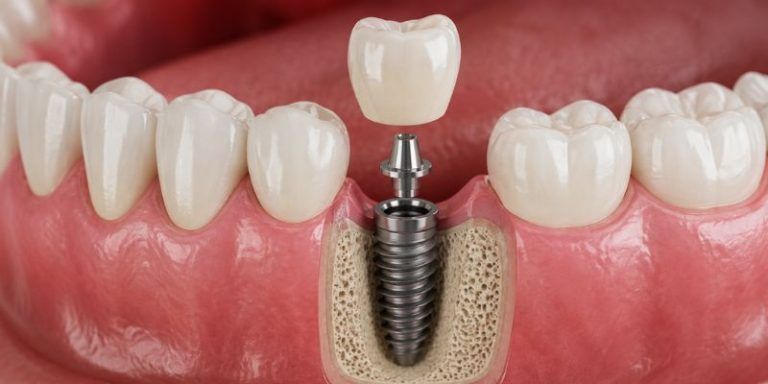
Dental crowns are a popular and effective way to restore damaged teeth, cracked teeth, and chipped teeth but many people can feel tooth sensitivity after the dental crown procedure. This sensitivity can vary from mild discomfort to sharp pain, impacting daily life. Understanding the causes of tooth sensitivity after dental crowns can help you manage and prevent it before it worsens your condition. So, we have listed a few reasons behind this issue and provide tips on alleviating it.
Understanding Dental Crowns
What Are Dental Crowns?
Dental crowns are caps that cover damaged, decayed, or chipped teeth, restoring their shape, size, strength, and appearance. They are often made from porcelain, ceramic, metal, or a combination of these materials. Crowns provide protection and stability to teeth that fillings or other dental restorations cannot fully restore.
Why Do You Need A Dental Crown?
You might need a dental crown for several reasons, including:
- Protecting a weak tooth from breaking
- Restoring a broken or severely worn-down tooth
- Shielding and supporting a tooth with a large filling
- Holding a dental bridge in place
- Covering misshaped or severely discolored teeth
- Covering a dental implant
Initial Sensitivity After Dental Crown Procedure
Normal Post-Procedure Sensitivity
Experiencing some sensitivity after getting a dental crown is normal. This happens because the tooth and surrounding tissues have undergone a significant procedure. The dentist may have had to file down your tooth to fit the crown, leading to temporary inflammation and irritation of the nerve endings inside the tooth.
Duration of Normal Sensitivity
This sensitivity typically lasts for a few days to a couple of weeks. During this normal post-procedure sensitivity, you might notice discomfort when eating or drinking hot, cold, or sweet foods and beverages. Over-the-counter pain relievers and avoiding extreme temperatures in your food and drink can help manage this initial sensitivity.
What Are The Causes Of Prolonged Tooth Sensitivity After Dental Crown?
1. Poor Fit Of The Crown
A poorly fitting crown is one of the main reasons for tooth sensitivity after getting dental crowns. If the crown doesn’t fit properly, gaps can form between the crown and the tooth, letting bacteria in and causing further decay or irritation. Increased sensitivity and discomfort may follow from this.
2. Exposed Dentin
The layer of the tooth beneath the enamel is called dentin, and it has microscopic tubules that go to the nerve. The dentin may show through if the crown does not fully cover the tooth or the enamel is chipped away. When exposed dentin comes into contact with hot, cold, or sweet substances, it can cause sharp pain or sensitivity.
3. Gum Recession
Gum recession is another common cause of tooth sensitivity after getting dental crowns. When your gums recede, the roots of your teeth, which lack enamel protection, become exposed. This exposure can cause tooth sensitivity, especially to temperature changes and sweet foods.
4. Nerve Damage Or Inflammation
Sometimes, preparing a tooth for a crown can cause nerve damage or inflammation. If the nerve inside the tooth becomes inflamed or damaged, it can lead to prolonged sensitivity or tooth pain. In a few cases, a root canal treatment may be necessary to remove the damaged nerve and alleviate the sensitivity.
Treatment Options For Tooth Sensitivity After Dental Crowns
Dental Adjustment
If your crown causes prolonged sensitivity due to a poor fit, your dentist can adjust it to improve the fit. It may need to be adjusted or replaced completely, to ensure the crown fits correctly and fully covers the tooth.
Root Canal Treatment
When nerve damage or inflammation causes sensitivity, a root canal treatment may be necessary. In this procedure, your dentist will remove the damaged or inflamed nerve tissue inside the tooth, clean and seal the teeth, and then place a crown over it to restore its function and appearance.
Addressing Gum Recession
If gum recession is causing your sensitivity, your dentist may recommend treatments to address it. These treatments may include surgical procedures such as gum grafts to cover exposed tooth roots and thorough cleanings to remove plaque and tartar buildup.
Home Remedy For Managing Tooth Sensitivity
Avoiding Triggers
To manage tooth sensitivity at home, avoid foods and drinks that trigger it. These often include hot, cold, sweet, or acidic substances. Drinking through a straw can help minimize contact with your sensitive teeth.
Using a Mouthguard
Grinding your teeth at night (a condition known as bruxism) can exacerbate tooth sensitivity. Wearing a mouthguard can help protect your teeth from the damaging effects of grinding and reduce sensitivity.
Over-the-Counter Pain Relief
Over-the-counter pain relievers like ibuprofen or acetaminophen can help manage tooth sensitivity and discomfort. If the discomfort persists, take the prescribed amount as directed and see your dentist.
Tooth sensitivity following dental crowns is a common issue. However, you can control and prevent it by understanding its causes. Whether it’s due to a poorly fitted crown, exposed dentin, gum recession, or nerve injury, there are things you can do to alleviate the discomfort.
Essential preventive measures include desensitizing products, ensuring the crown fits properly, and maintaining good oral hygiene. If the sensitivity persists, it’s important to consult your dentist for the best course of action. By following these guidelines, you can enjoy the benefits of your dental crown without experiencing sensitivity and pain.
If you experience tooth sensitivity persisting for more than two months after getting a crown, it may indicate an underlying issue that needs to be addressed by your dentist. Make an Appointment with Dr. Viren Patel right now at 905-690-3070 for immediate help.
Also Read: Tooth Extraction Aftercare: What To Do And What To Avoid