Many of us know how tooth pain can cause significant inconvenience in our daily lives. It is a common issue in oral health, with 55% of adults experiencing toothaches in the past six months. According to the Centers for Disease Control and Prevention (CDC), over 40% of adults have had mouth pain in the last year. As we examine different types of toothaches and their causes, you will learn important information about what could be causing your pain and how to treat it properly, so don’t panic.
Tooth pain is an indication that there may be an issue in your mouth that requires attention. There are various potential causes of toothaches, such as cavities, cracked teeth, oral infections, and gum disease. It is essential to address toothaches promptly to prevent further discomfort and potential health complications in the future.
What Is Toothache? (Types Of Toothaches And Their Causes)
A toothache is the feeling of pain in or around a tooth. It’s often caused by tooth decay or an infection, both of which need treatment from a dentist. Seeking professional dental care is advised as soon as possible if you are experiencing tooth pain to stop the problem from growing worse.
Identifying The Types Of Toothache
1. Sharp, Sudden Pain: This type of pain often comes out of nowhere and feels like a sharp, stabbing sensation in your tooth.
2. Dull, Aching Pain: Unlike sharp pain, dull aching pain is more persistent and can range from mild discomfort to throbbing agony.
3. Sensitivity to Hot or Cold: Your teeth’ enamel or underlying nerves may be compromised if you suddenly become sensitive to hot or cold meals or beverages.
4. Pain While Chewing: Experiencing pain while biting down or chewing may indicate various dental issues.
Understanding The Causes Of Toothache
1. Tooth Decay.
Tooth decay often causes various oral problems, including toothaches. When we consume sugars, oral bacteria produce acids that break down the teeth. The tooth becomes more sensitive as the dental enamel, which is the outer coating of the tooth, erodes. Eventually, this can expose the tooth’s nerves, leading to pain.
2. Gum Disease.
Gum disease usually stems from inadequate oral hygiene, causing a buildup of harmful oral bacteria. It is often recognizable by red, swollen, and bleeding gums, which can cause discomfort in your teeth and gums due to oral inflammation. Without treatment, tooth pain can escalate, leading to permanent bone loss and gum recession.
3. Tooth Fractures or Cracks.
Tooth cracks or fractures can cause tooth pain when the sensitive inner layers are exposed to harmful oral bacteria. Although accidents can happen, taking preventive steps to protect your teeth can help maintain a healthy smile. For instance, wearing a protective mouthguard during contact sports can prevent oral trauma and tooth pain.
4. Teeth Grinding.
Stress is a common trigger for teeth grinding and clenching, leading to toothaches, worn-down or fractured teeth, strained facial and jaw muscles, and other health issues. Your dentist might suggest using a custom-made dental night guard to shield your teeth from damage.
5. Dental Abscess.
A dental abscess is a severe and potentially life-threatening oral infection that demands urgent attention. It occurs when harmful oral bacteria cause an infection that reaches deep into the innermost layer of the tooth, known as the dental pulp. Indications of an abscessed tooth may involve swelling in the face or mouth, intense throbbing pain, presence of pus around the affected tooth, darkening of the gums, and loss of bone.
6. Wisdom Teeth.
Wisdom teeth normally erupt last and are located at the back of the mouth. You may get pain in the back of your mouth as it enlarges and starts to show through.
These teeth can get stuck behind the gums if they don’t have enough space to grow properly. Sometimes, your dentist might suggest removing wisdom teeth to address this issue.
How To Treat Toothaches? (Types Of Toothaches And Their Causes)
Examination and Diagnosis
A thorough diagnosis and treatment of dental issues, like toothaches, requires an examination by your dentist. This will include an oral cancer screening, dental X-rays, and specific diagnostic tests to pinpoint the affected tooth and devise the appropriate treatment strategy.
Dental Filling
Dentists recommend dental fillings as the best course of action for mild to moderate cavities to prevent tooth deterioration and relieve discomfort. They might utilize tooth-colored composite resin or silver dental amalgam fillings to restore the tooth to its natural shape after removing the decay.
Root Canal Treatment
Root canal treatment is a reliable and successful procedure aimed at eliminating bacteria from the innermost part of the tooth, known as the dental pulp. After removing the infection, the dentist fills the root with a sealing material to prevent bacteria from re-entering the tooth.
Tooth Extraction
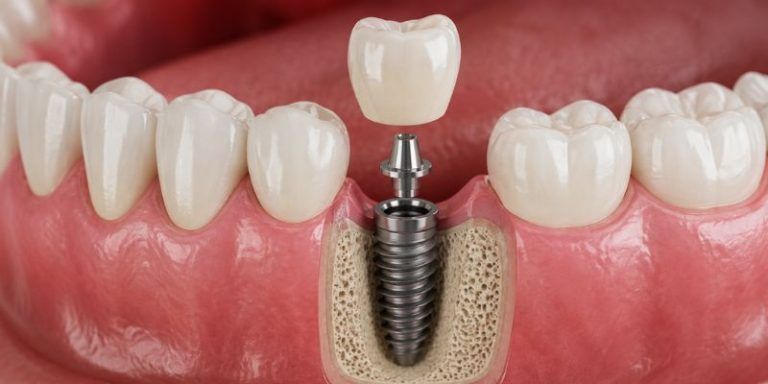
When dental damage is severe, your dentist may recommend extractions to treat the infection and pain. Your dentist will provide various treatment choices for replacing the tooth, like dental bridges, implants, or removable prostheses.
Antibiotics And Medication
To treat a toothache, your dentist might suggest antibiotics to target oral bacteria and clear up the dental infection. Additionally, they may recommend over-the-counter pain relievers like Tylenol or ibuprofen to temporarily ease the painful symptoms of a toothache.
Suggestions For Avoiding Dental Pain
Sometimes, toothaches can unexpectedly disrupt your day. Maintaining good oral hygiene habits is the most effective way to prevent them. This involves brushing your teeth twice daily for two minutes with fluoride toothpaste and a soft-bristled toothbrush. It’s also important to floss between your teeth at least once daily to remove bacteria that cause cavities. Using a mouthwash containing antibacterial and fluoride regularly can also help keep oral bacteria under control.
To maintain a healthy smile, try to reduce your intake of sugary foods and drinks and incorporate a nutritious diet rich in tooth-friendly nutrients. Regular dental check-ups and cleanings are crucial for catching dental problems early and minimizing the risk of toothaches.
Experiencing tooth pain is never fun, but your dentist can provide relief if it occurs. It’s crucial to contact your dentist promptly if you have a toothache lasting more than two days, along with symptoms like facial swelling, a fever, or difficulty swallowing, chewing, or speaking.
At Waterdown Smile Spectrum Dental, Dr. Viren Patel and the rest of the team are ready to assist you in comprehending and handling tooth pain, preventing it from escalating. We can identify different types of toothaches and their causes and provide tailored dental care services to address your requirements.
Also Read: Why Do I Need My Wisdom Teeth Removed?