A confident smile can brighten a room, but keeping that perfect smile can become a challenge as we age. Missing teeth, gum disease, and other oral health issues are common among seniors, leaving many wondering if dental implants are viable. If you’re a senior considering this life-changing procedure, you might be asking: “Is it too late for a perfect smile?” The good news? It’s never too late!
In this blog, we’ll walk you through everything you need about dental implants for seniors, including benefits, the procedure, and whether you’re a good candidate.
Why Do Seniors Need Dental Implants?
Dental implants can help restore function and confidence. Missing teeth can greatly impact your quality of life. Chewing becomes difficult, speech may be affected, and your confidence might take a hit. While dentures and bridges offer temporary solutions, dental implants provide a permanent fix.
Benefits Of Dental Implants For Seniors
- Improved Chewing Ability: Implants function like natural teeth, allowing seniors to enjoy a varied and nutritious diet.
- Enhanced Speech: Unlike dentures, implants do not shift or move, making speech clearer and more comfortable.
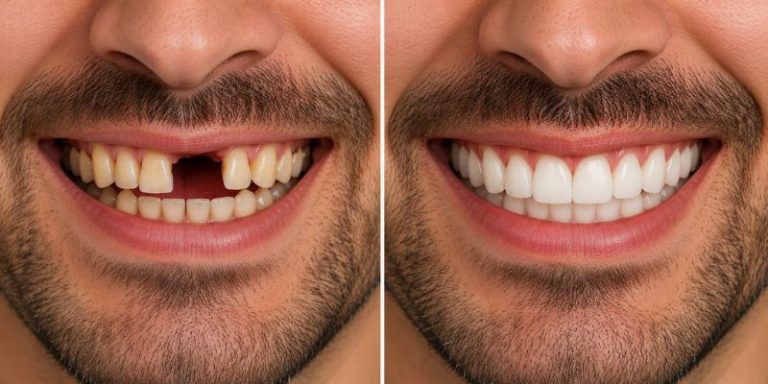
- Aesthetic Appeal: Dental implants enhance facial aesthetics and boost self-confidence by mimicking the appearance and function of natural teeth.
- Bone Health Preservation: The jawbone is stimulated by implants, preventing bone loss and maintaining facial structure.
Are Dental Implants Safe for Seniors?
One of the most common concerns among seniors is whether they are too old for dental implants. In actuality, age is not a limiting factor in and of itself. Dental implants have made life more comfortable for seniors in their 70s, 80s, and 90s.
The Real Considerations
- Overall Health: Conditions like diabetes or osteoporosis can influence healing but are often manageable with proper care.
- Bone Density: A healthy jawbone is critical for successful implant placement. If bone loss has occurred, procedures such as bone grafting can help restore the necessary bone structure.
- Medications: Blood thinners and other medications can impact healing, so a detailed medical history is essential.
The Dental Implant Procedure: What to Expect
Step-by-Step Guide
Understanding the procedure can help lower any anxiety you may be feeling. Here’s a breakdown of what to expect:
- Initial Consultation: It is important that your dentist evaluate your oral health, take X-rays, and discuss your medical history, before recommending dental implants
- Bone Grafting (If Needed): To provide a stable foundation for the implant, a bone graft may be necessary if you have significant bone loss.
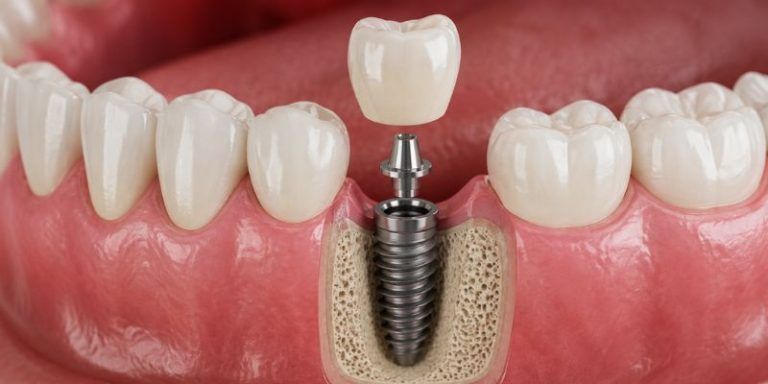
- Implant Placement: Titanium posts are surgically implanted into your jawbone. This root keeps your new tooth securely in place.
- Healing Period: Osseointegration is a process that will allow the implant to fuse with the bone over the next few months(3-6 months).
- Crown Placement: Your new smile is completed with a custom crown attached once the implant is fully healed.
Factors That Impact The Success of Dental Implants in Seniors
While many seniors are excellent candidates for dental implants, there are a few factors your dentist will assess:
- Bone Density: An adequate jawbone is necessary to support the implant. It may be required to graft bone if there has been bone loss.
- Overall Health: Conditions like uncontrolled diabetes, heart disease, or severe osteoporosis may need to be managed before the procedure.
- Oral Hygiene: Good oral hygiene is essential to ensure the long-term success of your implants.
Whenever you are unsure, consult with your dentist. They can provide a personalized evaluation and discuss your options.
Maintaining Your Dental Implants
Long-Term Care Tips
After getting your new smile, it’s important to keep it healthy. The best part? Caring for dental implants requires the same maintenance as looking after your natural teeth.
Tips for Long-Term Success:
- Brush Twice Daily: Always use a soft-bristled toothbrush and a non-abrasive toothpaste for long-term success.
- Floss Regularly: Dental or water flossers help remove plaque and debris around the implant.
- Regular Dental Check-Ups: Regular dental visits will allow your dentist to monitor the health of your implants and address any issues early.
- Avoid Smoking: Smoking increases the risk of implant failure because it disrupts the healing process. Caring for dental implants requires the same maintenance as looking after your natural teeth.
If you’ve been living with missing teeth or struggling with dentures, know that dental implants for seniors can offer a permanent, life-changing solution. With modern advancements in dental technology, age is no longer a barrier to achieving a healthy, confident smile.
So, is it too late for a perfect smile? It is never too late! Consult your dentist today to explore how dental implants can transform your life. For further assistance booking an appointment, contact Waterdown Smile Spectrum Dental at 905-690-3070.
Also Read: How Long Do Dental Implants Last? A Comprehensive Timeline