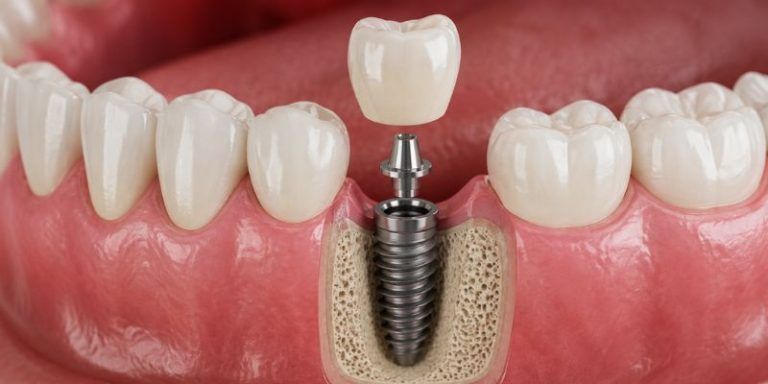
Dental implants are one of the best solutions when considering tooth replacement options. They mimic natural teeth and require the same maintenance as natural teeth. They provide a durable, natural-looking solution that can last for several years. But how long do dental implants last? The lifespan of dental implants primarily depends on your choices and the quality of your oral hygiene. By making smart decisions and maintaining good dental care habits, you can significantly extend the longevity of your implants.
Let’s explore the timeline, factors that affect their longevity, and tips to help them stay in great shape.
What Are Dental Implants?
An artificial tooth root is surgically placed in the jawbone using dental implants, typically titanium. The implant post, also known as the rooted screw, serves as the foundation for dental crowns. The abutment is a small connector that attaches to the implant, providing a stable base for the dental crown placed on top.
Why are they so popular?
- They look and feel like natural teeth.
- They prevent bone loss in the jaw.
- They offer a long-term solution compared to other options like dentures.
How Long Does Dental Implant Last? The Average Lifespan Of Dental Implants
Dental implants usually last between 15 to 25 years, and they can even last longer in some cases. In some cases, they last a lifetime! However, this largely depends on many factors such as oral hygiene, lifestyle, and overall health.
Here’s a general breakdown:
- First Year: Healing and integration with the jawbone (osseointegration) occur. Proper care during this period is crucial.
- 5 to 10 Years: Implants remain stable and functional with routine dental check-ups.
- 15+ Years: With excellent care, many implants continue to function perfectly.
Factors That Affect Implant Longevity
Why do some implants last longer than others?
Several factors influence dental implant longevity. Here’s what you need to know:
1. Correct Post Placement
The surgeon should position the implant posts at the right angle and location to ensure optimal support. Placing implants incorrectly can cause complications and shorten their lifespan.
2. Oral Hygiene
Good oral hygiene is key. To reduce plaque and bacteria around the implant, brush with a soft-bristled toothbrush twice daily and use antibacterial mouthwash.
3. Lifestyle Habits
Habits like smoking and excessive alcohol consumption can negatively impact your implant’s durability. Smoking particularly reduces blood flow to the gums, potentially leading to implant failure.
4. Quality Of Jaw Bone
Your jawbone’s density and volume are key factors in the success of a dental implant procedure. Having adequate bone structure is crucial for securely supporting the implant posts and enhancing their long-term durability.
5. Diet
It is important for implant stability that a diet rich in calcium and vitamin D is consumed. Avoiding hard foods can also prevent unnecessary stress on the implant.
6. Overall Health
Chronic conditions like diabetes or osteoporosis can affect bone density and healing, potentially reducing implant longevity. Managing these conditions is crucial for long-term success.
Warning Signs Your Implant Needs Attention
Even with the best care, implants aren’t immune to problems. Here are some warning signs that your implant may need attention:
a. Pain or Discomfort
While mild discomfort during the healing phase is normal, persistent pain after the implant has healed could indicate an issue.
b. Loose Implant
If your implant feels loose or wobbly, it could be a sign of bone loss or implant failure.
c. Swelling or Infection
Redness, swelling, or pus around the implant site could indicate an infection that needs immediate dental care.
Contact your dentist immediately if you observe any of these symptoms.
Ways To Increase The Lifespan Of Your Dental Implants
The good news is that you can take steps to help your dental implants last as long as possible. Here’s how:
a. Maintain Excellent Oral Hygiene
To maintain optimal oral health, brush your teeth twice daily with a soft-bristled toothbrush. Pair this with an antibacterial mouthwash to eliminate plaque and harmful bacteria around your implant, ensuring a healthier smile.
b. Visit Your Dentist Regularly
Routine dental check-ups allow your dentist to monitor the health of your implants and address any issues early.
c. Avoid Bad Habits
Quit smoking, limit alcohol intake, and avoid chewing on hard objects like ice or pens, which can damage the implant.
d. Protect Your Implants
If you grind your teeth at night, consider wearing a mouthguard to protect your implants from excessive pressure.
When To Replace A Dental Implant
Although the implant can last a lifetime, some components may require replacement as they wear away.
a. The Crown
The crown, or the visible part of the implant, may wear down after 10 to 15 years due to normal wear and tear. Luckily, it can be replaced without affecting the implant.
b. The Abutment
The abutment, which connects the implant to the crown, may also need replacement if it becomes damaged or loose.
If you experience any issues, don’t hesitate to consult your dentist. Early intervention can save you from undergoing more extensive procedures.
So, how long do dental implant procedures last? With the right care and attention, dental implants can stand the test of time, lasting for decades or even a lifetime. By maintaining good oral hygiene, making healthy lifestyle choices, and visiting your dentist regularly, you can ensure that dental implants remain a reliable, long-term solution for missing teeth.
Investing in dental implants goes beyond restoring your smile; it enhances your quality of life. You may contact Waterdown Smile Spectrum Dental at 905-690-3070 to fix an appointment with Dr. Viren Patel.
Also Read: Tooth Pain After Filling: What’s Normal And When To Seek Help