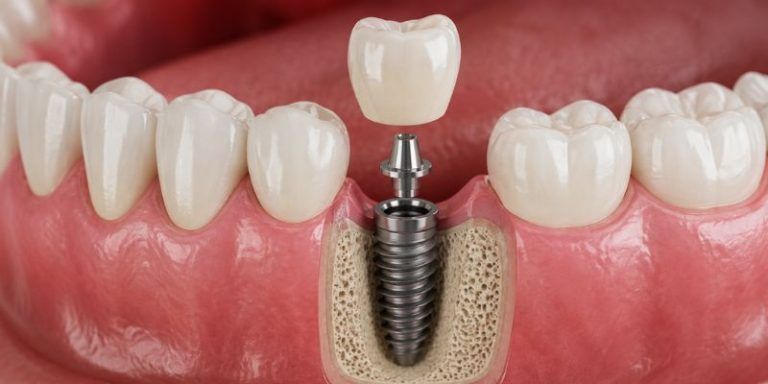
Tooth filling is the most common dental procedure for repairing cavities and restoring damaged teeth. However, tooth pain after a filling is not unusual. In this blog, we’ll walk you through what kind of pain is common and when it might signal a problem that requires further attention. Understanding these nuances can make your post-filling experience much more comfortable and help you know when to seek help if something doesn’t feel right.
Understanding Tooth Filling Pain: What’s Normal?
Why Mild Pain is Common After a Filling
It’s natural to feel some discomfort in the days after a filling. As your mouth adjusts to the repair, you may experience mild tooth sensitivity or soreness in the treated area. The good news is that these symptoms are usually temporary and should improve independently. Here are a few common causes:
- Nerve Irritation: The drilling and filling process can irritate the nerves within your tooth. This sensation often fades as the tooth calms down.
- Pressure Sensitivity: Your tooth has been reshaped, so some sensitivity to chewing is typical. Pressure sensitivity usually subsides after a few days as the filling sets and your bite adjusts.
If your pain level remains low and decreases gradually, there’s usually no cause for concern.
The First 24-48 Hours: Expected Post-Filling Symptoms
What to Expect Right After Your Appointment
During the first day or two after a filling, you may notice certain symptoms that are part of the healing process. This is usually manageable with over-the-counter pain relievers and tends to resolve without intervention. Common symptoms during the first 48 hours can include:
- Slight Throbbing: A mild, throbbing sensation should typically fade within 24-48 hours.
- Numbness and Tingling: Due to local anesthesia, you may feel numb or experience tingling in the treated area for a few hours after the procedure. As the anesthesia wears off, these sensations will go away.
- Temperature Sensitivity: You might notice temporary sensitivity to hot or cold drinks, which lasts only a few days. It’s best to avoid extreme temperatures until this sensitivity fades.
If you are experiencing mild symptoms that are gradually improving, there is usually no reason to be concerned.
What Type of Pain is Normal?
Understanding Types of Pain: What Should Fade and What Might Persist
Different types of pain can accompany a tooth filling, but not all the pain is worrisome. Let’s look at some common sensations and determine what’s likely to go away on its own:
- Dull Ache: A dull ache is common and typically lasts a few days. This type of pain should subside with time and may be managed with over-the-counter pain relief.
- Brief Sharp Pains: It’s common to feel occasional sharp twinges when biting or chewing as your new filling settles into place. These should diminish within a week as your bite adjusts.
- Throbbing Pain: Mild throbbing in the first day or so is usually a normal reaction to dental work. If it continues, however, it may be time to contact your dentist.
Generally, any pain that decreases over time is a good sign. If you experience increased pain or ongoing discomfort, consider investigating further.
When Tooth-Filling Pain May Signal a Problem
Recognizing Signs of Persistent or Severe Pain
While some discomfort is expected, certain symptoms could indicate that your filling needs attention. Here are some indicators to be aware of.:
- Sensitivity to Pressure: If your tooth feels sore when you apply pressure with your finger, it could signal infection or decay under the filling.
- Persistent Pain Beyond a Week: If you’re still in significant pain after a week, it could be a sign of an issue with the filling, such as improper placement or irritation to the nerve.
- Pain When Biting Down: Continued pain when biting or chewing may indicate a problem with the filling height or fit. Your dentist can quickly resolve this with a bite adjustment.
Common Causes of Problematic Pain
Potential Issues That Could Cause Persistent Pain
If your pain isn’t subsiding, there may be an underlying issue with your filling. Here are some common causes:
- Filling Height: Filling may be slightly too high, creating pressure sensitivity or pain. Your dentist can fix this by smoothing the filling for a more comfortable bite.
- Pulpitis: Inflammation of the pulp (the inner part of the tooth) can occur if the filling is close to the nerve. This can sometimes resolve by itself, but in some cases, it may require additional treatment.
- Cracked Filling or Tooth: A cracked filling or damage to the tooth itself can lead to intense pain. This issue may require a replacement filling or additional repair.
Addressing these causes quickly can often resolve the pain before it becomes more severe.
When to See a Dentist
Knowing When It’s Time for Professional Help
While some tooth-filling pain is normal, there are times when a trip back to the dentist is necessary. You may contact your dentist if you experience any of the following:
- Pain that Worsens: Pain that increases over time is a sign that something isn’t right.
- Signs of Infection: Swelling, fever, or discharge from the treated area are signs of infection and should be addressed immediately.
- Persistent Sensitivity: Ongoing sensitivity to temperature changes, especially hot or cold, can indicate a problem with the filling.
Your dentist can assess the cause of the pain and recommend the best course of action, whether adjusting the filling or providing additional treatment.
Tips for Managing Pain After a Filling
Simple Strategies to Ease Discomfort at Home
If you’re dealing with mild discomfort after a filling, these tips can help you manage pain at home:
- Use Pain Relievers: Over-the-counter options like ibuprofen or acetaminophen can help reduce pain and inflammation.
- Avoid Hard or Sticky Foods: For a few days, opt for softer foods that don’t require heavy chewing. Hard or sticky foods may irritate the filling and prolong pain.
- Rinse with Warm Salt Water: Rinsing your mouth with warm salt water can help soothe the area and keep it clean.
- Avoid Temperature Extremes: Skip very hot or cold foods and drinks for a few days, as they may aggravate any lingering sensitivity.
Most minor discomfort will subside within a few days, but these strategies can offer additional relief.
Tooth-filling pain is a common experience and usually fades within a few days. Mild discomfort and sensitivity are typical, but recognizing when pain signals a more serious issue is essential. By understanding the different types of pain and knowing when to seek help, you can better manage your dental health, avoid prolonged discomfort, and keep your smile in great shape.
If you’re experiencing severe tooth pain after a dental filling, you may contact Waterdown Smile Spectrum Dental at 905-690-3070 to fix an appointment with Dr. Viren Patel. Post-filling discomfort can be normal, but if the pain persists, feels intense, or interferes with your daily activities, it may indicate an issue, such as a misaligned bite or an underlying infection.
Also Read: What To Do In A Dental Emergency? A Step-By-Step Guide