Undergoing a root canal treatment for the first time can feel intimidating, especially with the horror stories you’ve probably heard. However, the reality is much less frightening. By understanding the complete procedure of a root canal, you can significantly reduce your anxiety and plan for your root canal treatment at Waterdown Dentist. This article will walk you through what to expect during a root canal treatment, step by step, to ensure you feel informed and prepared.
What Is A Root Canal?
Root canal treatment includes removing the pulp, the inner layer of the tooth containing nerves, blood vessels, and connective tissue. This procedure becomes necessary when the pulp gets damaged, infected, or non-vital. Tooth decay and dental trauma are typical culprits behind pulp infections. Ignoring dental diseases can lead to severe complications spreading throughout the body, posing a potential threat to life.
Why You Might Need A Root Canal Treatment?
The list that follows of symptoms and signs suggesting a potential root canal may help determine whether you require one.
- Tooth Sensitivity. Tooth sensitivity could indicate an infected dental pulp. You might feel sharp pain when exposed to hot or cold substances.
- Persistent Toothache. A persistent toothache that doesn’t subside is one of the most prominent symptoms of needing a root canal. This discomfort might intensify while chewing or when eating hot or cold foods.
- Bump On The Gum. A bump on the gum, known as a fistula, often develops due to an infected dental pulp. It usually resembles a small white or yellow pimple on the gums near a tooth.
- Jaw Swelling. An infection in the tooth can spread to other regions like the jaws, leading to tenderness and swelling in the jaw area.
- Damaged Or Fractured Tooth. When teeth are damaged or fractured, bacteria can spread through the layers of teeth. A root canal might be advised, to eradicate the infection.
- Deep Cavity. Deep cavities that penetrate the teeth may necessitate a root canal to remove the infection. Your dentist will assess the cavity’s severity using X-rays and other diagnostic tests.
- Tooth Abscess. A tooth abscess is a pocket of pus caused by bacterial infection, often seen on the gums around an infected tooth. It’s a serious condition that demands prompt medical care to prevent potentially life-threatening complications.
Step By Step Guide On What To Expect During A Root Canal Treatment
1. Initial Examination and X-rays
- Consultation. Dr. Viren and his team will initially examine the tooth to assess the extent of the infection or decay.
- X-rays. They will take X-rays of the affected tooth to evaluate the extent of damage, root canal shapes, and surrounding bone infections.
2. Administration of Anesthesia
- Local Anesthesia. Your dentist will numb the area around the affected tooth with a local anesthetic to ensure comfort and reduce pain during the procedure.
- By Numbing The Tooth. It might take a couple of minutes for the anesthesia to work. You should feel numb in the treated area while staying conscious and alert.
3. Placing a Dental Dam
- Isolation Of The Tooth. To maintain a dry and saliva-free treatment area, your dentist will place a small rubber sheet called a dental dam around the tooth. This isolation helps prevent contamination and ensures a clean working environment.
4. Accessing the Infected Pulp
- Create An Opening. The dentist will use a dental drill to create a small opening in the crown (top) of the tooth. This allows access to the pulp chamber and root canals.
- Remove The Pulp. The infected or damaged pulp, which consists of nerve tissue and blood vessels inside the tooth, is delicately removed using specialized tools known as endodontic files.
5. Cleaning and Shaping the Root Canals
- Cleaning. The dentist meticulously cleans the root canals to eliminate all debris and bacteria. Antimicrobial solutions may be applied to disinfect the canals thoroughly.
- Shaping. The canals are then shaped and widened to facilitate proper filling and sealing. This step ensures the complete removal of infection traces and prepares the canals for filling.
6. Filling the Root Canals
- Gutta-Percha Filling. Once the canals are cleaned and shaped, they are filled with a biocompatible gutta-percha material. This rubber-like substance is placed into the canals and sealed with adhesive cement to prevent future infections.
- Temporary Filling. A temporary filling might be placed on the tooth’s opening to safeguard it until a permanent restoration, such as a crown, can be installed.
7. Post-Procedure Recovery and Care
- Recovery. Following the root canal procedure, it’s common to feel some sensitivity or discomfort in the treated area for a few days. Over-the-counter pain relievers usually suffice to alleviate this discomfort.
- Follow-Up. Your dentist will give you aftercare instructions and might schedule a follow-up appointment to ensure proper healing and to place a permanent crown or filling.
8. Final Restoration
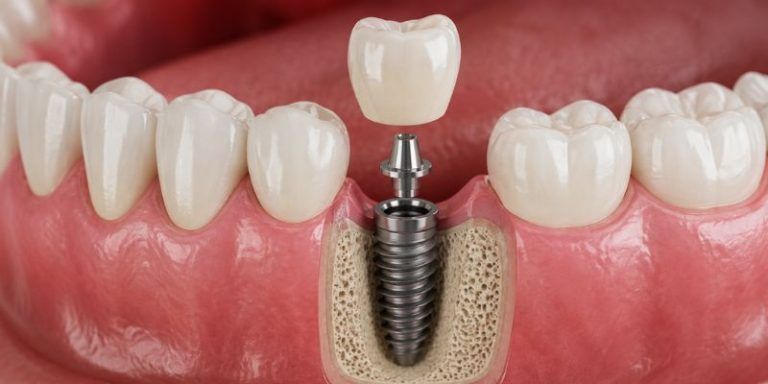
- Permanent Restoration. A crown or permanent filling is typically placed on the tooth to restore its function and appearance. This step is crucial as it shields the tooth from future damage or infection.
- Long-Term Care. After receiving a root canal, a tooth can last a lifetime with good oral care and routine dental checkups.
Knowing what to expect during a root canal treatment can greatly diminish your anxiety. Remember, the main aim of this procedure is to preserve your tooth and alleviate pain. By adhering to your dentist’s guidance and maintaining good oral hygiene, you’ll recuperate smoothly and maintain a healthy smile.
Also Read: Why Do I Need My Wisdom Teeth Removed?