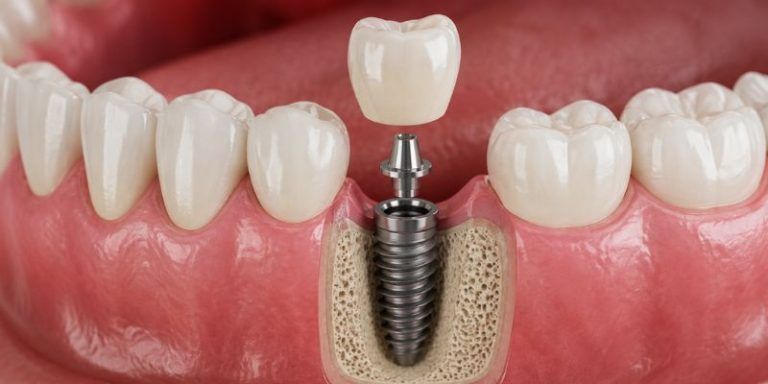
Aging is a natural process that affects many aspects of our bodies, including oral health. Our teeth, gums, and mouths need extra care to stay healthy and functional as we age. The good news is, that with proper attention, you can maintain a bright and healthy smile throughout your golden years. To do so, we’ll cover practical tips for maintaining oral health as you age, focusing on what you can do to keep your teeth and gums in top shape.
Why Oral Care Matters More Than Ever For Senior Citizens
As we age, taking care of our oral health becomes increasingly significant. Oral health is closely connected to overall well-being, and neglecting dental hygiene can lead to serious health issues. For instance, gum disease has been linked to heart disease, diabetes, and respiratory problems. Additionally, older adults are more prone to tooth loss, dry mouth, and oral infections, making regular dental care crucial.
A major reason oral health becomes more challenging with age is due to natural changes in our bodies. The enamel, the hard protective layer of your teeth, may gradually wear down, making teeth more vulnerable to decay. Receding gums can cause sensitivity and raise the risk of gum disease. By understanding these changes, you can take better care of your oral health as you age.
Regular Dental Check-ups Are A Must For Senior Citizens
Regular dental visits become even more important as you age. These check-ups help your dentist identify problems early and offer professional cleanings to remove plaque and tartar that daily brushing and flossing might miss. Here’s what you can expect:
- Oral Cancer Screenings: Identifying the issue early is crucial for successful treatment. Your dentist will check for any unusual sores, lumps, or other signs of oral cancer.
- Bi-Annual Visits: Aim for a dental check-up every six months. Your dentist will examine your mouth, perform a mouth cleaning, and check for signs of gum disease, tooth decay, or oral cancer.
- Professional Cleanings: Even with excellent oral hygiene, plaque can build up in hard-to-reach places. A professional cleaning removes this buildup, reducing the risk of gum disease.
Following A Strict Daily Oral Hygiene: Your First Line of Defense
Following a regular oral hygiene routine is crucial for healthy teeth and gums, and this becomes even more important as you age, given the higher risk of dental issues. Here are some key tips to help you maintain oral health as you get older:
- Brush Twice A Day. Use a soft-bristled toothbrush and fluoride toothpaste to brush your teeth for at least two minutes, twice daily. Gentle bristles reduce the risk of irritation by being gentle on your gums and enamel.
- Floss Daily. Flossing removes plaque and food particles stuck between your teeth and below the gum line, areas that your toothbrush can’t reach. If regular flossing is difficult, try using floss picks or an interdental brush as an alternative.
- Use Mouthwash. Antimicrobial mouthwash can effectively decrease plaque accumulation and help prevent gum disease. Pick a mouthwash that meets your specific needs—some are designed for dry mouth, while others are more effective at controlling plaque.
- Clean Dentures. If you wear dentures, cleaning them daily is crucial for preventing infections and maintaining good oral health. Soak them overnight in a denture-cleaning solution, and gently brush them before putting them back in your mouth.
Pay Attention To Diet And Hydration (Maintaining Oral Health As You Age)
Your diet greatly impacts your oral health, especially as you age. A balanced diet packed with essential nutrients can help safeguard your teeth and gums, while a poor diet can raise the risk of dental issues. Here’s how you can optimize your diet for better oral health:
- Include Calcium-Rich Foods: Calcium is crucial for maintaining strong bones and teeth. Include dairy products, leafy greens, and fortified foods in your daily meal to ensure you’re getting enough calcium.
- Stay Hydrated: Drinking plenty of water is vital for overall health, including oral health. Water helps wash away food particles and bacteria, reducing the risk of decay and dry mouth. If you struggle with dry mouth, a common issue among seniors, sipping water regularly can help alleviate symptoms.
- Balanced Diet: Make sure your diet includes a variety of nutritious grains, fruits, vegetables, and lean proteins. These foods provide the vitamins and minerals your body needs to keep your teeth and gums healthy.
- Limit Sugary Foods and Drinks: Sugars feed the bacteria in your mouth, leading to plaque buildup and cavities. Try to limit your intake of sugary snacks, sodas, and candies. If you indulge, brush your teeth soon after to minimize the damage.
Common Dental Problems In Seniors: Understanding The Challenges
As you age, you may face specific oral health challenges that require special attention. Being cautioned of these issues can help you take proactive steps to address them. Here are some common problems:
- Gum Disease: Gum disease also known as periodontal disease, is prevalent among older adults and can result in tooth loss if left untreated. Symptoms to watch for include red, swollen gums, bleeding while brushing, and ongoing bad breath. Regular dental checkups and good oral hygiene can help prevent and manage gum disease effectively.
- Tooth Decay: Older adults are at higher risk for cavities, especially along the gumline. This is partly due to receding gums and dry mouth, which can reduce saliva’s protective effects. Fluoride treatments and a healthy diet can help reduce the risk of decay.
- Dry Mouth: Also known as xerostomia, dry mouth can be caused by medications, certain health conditions, or simply aging. As a result, cavities and gum disease may become more likely. If you experience dry mouth, speak with your dentist about possible treatments, such as saliva substitutes or adjusting your medication.
- Oral Cancer: As individuals get older, their risk of developing mouth cancer increases. Early detection is key, so regular dental visits are essential. Look out for symptoms such as sores that don’t heal, lumps, or white or red patches in the mouth, and see your dentist if you notice anything unusual.
The Role of Healthy Habits For A Healthy Smile (Maintaining Oral Health As You Age )
Your lifestyle choices can significantly impact your oral health as you age. By making wise decisions, you have the power to safeguard the long-term health of your teeth and gums. Here are some tips:
- Quit Smoking: Smoking is a leading cause of gum disease and oral cancer. One of the most effective ways to improve dental health is to quit smoking. Speak with your doctor about resources to help you quit.
- Manage Chronic Conditions: Conditions like diabetes and heart disease can affect your oral health. Work with your healthcare providers to manage these conditions effectively and inform your dentist about your medical history.
- Stay Active: Regular physical activity can improve your overall health, including oral health. Exercise boosts circulation, which benefits your gums and teeth.
- Reduce Alcohol Intake: Excessive alcohol consumption can increase the risk of oral cancer and tooth decay. Reducing your alcohol intake can help protect your oral health.
Maintaining oral health as you age doesn’t have to be complicated. By following these tips for maintaining oral health as you age, you can ensure that your teeth and gums stay healthy, allowing you to enjoy a beautiful smile well into your later years. Remember, regular dental visits, good oral hygiene, a balanced diet, and healthy lifestyle choices are all key to keeping your mouth healthy as you age. Take charge of your oral health today, and embrace aging with confidence and a radiant smile!
So why wait for the dental complications to worsen? Please book an appointment at 905-690-3070 with us for regular dental check-ups or any oral issues, so that Dr. Viren Patel and his team can help you further.
Also Read: Understanding The Various Types Of Tooth Pain And What Causes It